Complete CPR Technique Guide: Depth, Rate & Best Practices
High-quality CPR is more than “push hard and fast.” Rate, depth, recoil, rescue breaths, age-based differences, and common technique mistakes all affect whether CPR does its job.


High-quality CPR is more than “push hard and fast.” Rate, depth, recoil, rescue breaths, age-based differences, and common technique mistakes all affect whether CPR does its job.
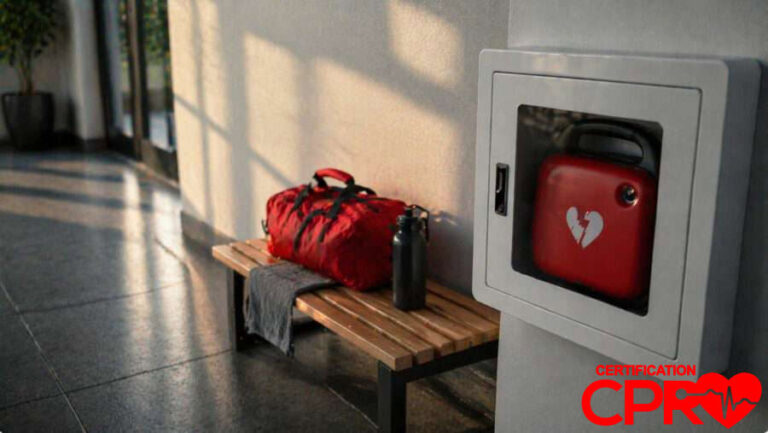
Sudden Cardiac Arrest Awareness Month connects awareness to the first actions that change survival: recognizing cardiac arrest, starting CPR, finding the AED, and keeping the response moving until EMS arrives.

A dried blood spot is not the same thing as a harmless surface. Surface survival matters because cleanup, PPE, and exposure control depend on treating dried blood with the right level of caution.

Buying an AED is not just a one-line equipment purchase. Device cost, accessories, maintenance, placement, staffing, and ongoing upkeep all belong in the same decision.

You can catch an infection in some first-aid situations, but helping someone does not automatically mean you will. The real risk depends on the kind of contact and whether blood or body fluids reach a true exposure route.
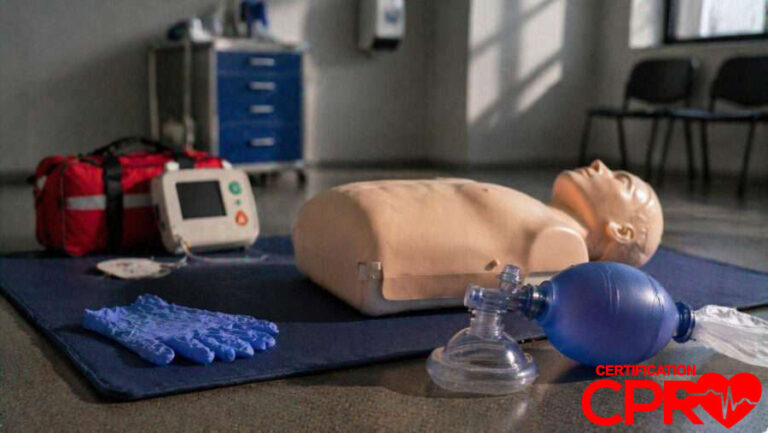
Two-rescuer CPR works better because one person can stay on compressions while the other handles breaths, the AED, timing, and the switch. That split helps protect compression quality before fatigue starts causing long pauses and shallow pushes.

Hands-Only CPR is the AHA’s public two-step response for a teen or adult who suddenly collapses: call 911 and start chest compressions right away.

The 7 steps of CPR give bystanders a simple order to follow when someone collapses: check the scene, call 911, assess breathing, start compressions, bring in the AED, and keep going until help takes over.

The recovery position is for a person who is unresponsive or barely awake but still breathing normally. It helps protect the airway while you wait for EMS, especially when vomiting or poor airway control is part of the picture.

Renewing CPR works best when you start with the card you already have, match the course name, book before the deadline, handle the required materials, and keep the new card easy to find.
No products in the cart.